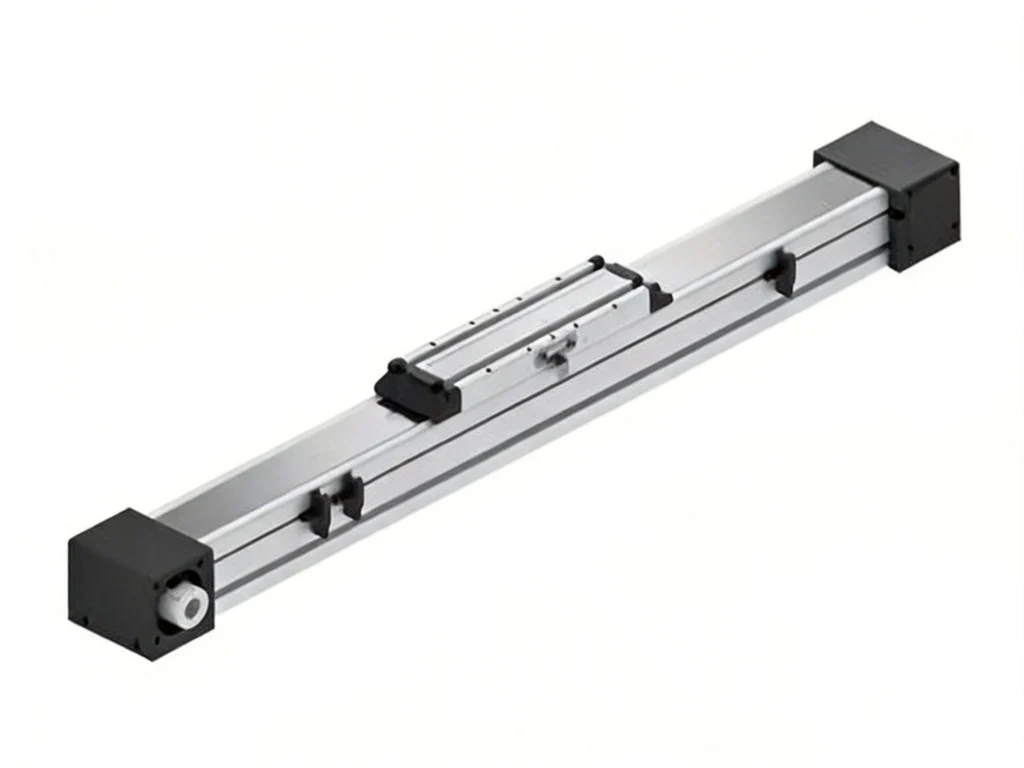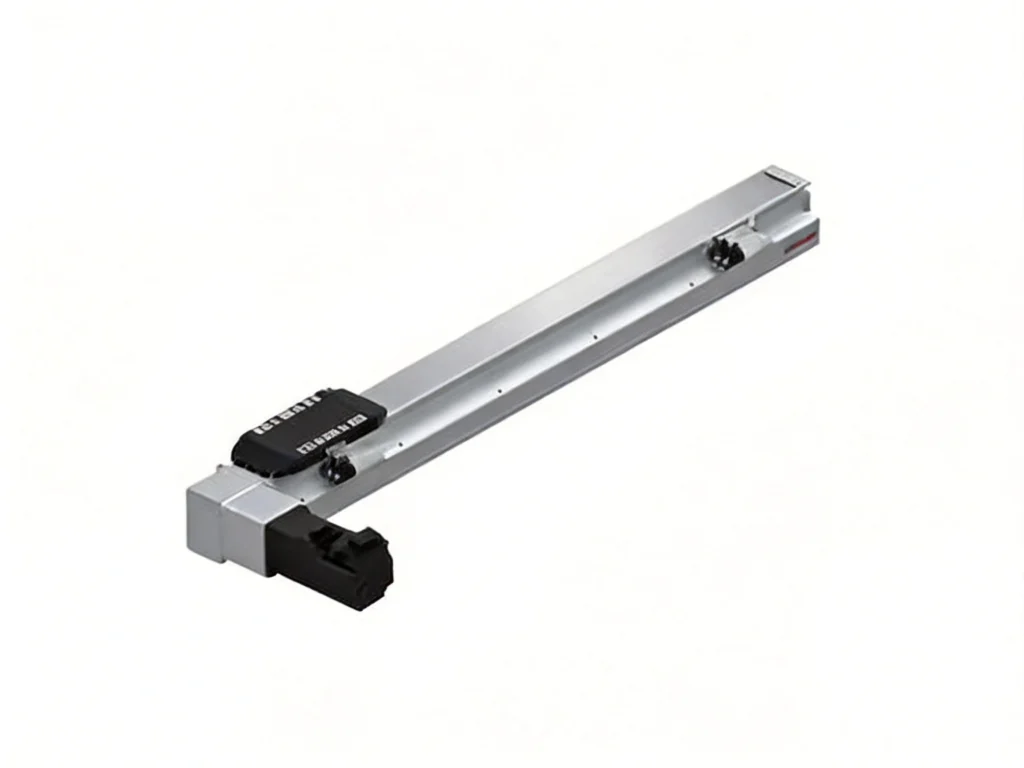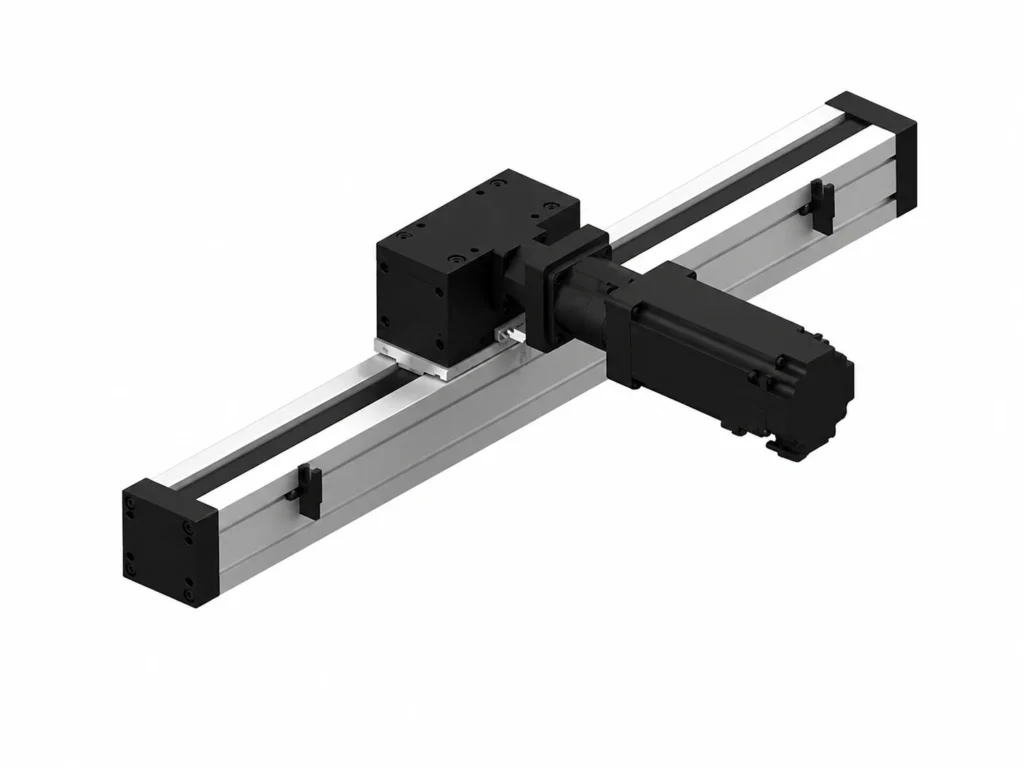
Linear guideway cost depends on material quality, precision grade, manufacturing processes, and supply chain efficiency. However, long-term value is defined by durability, stability, and maintenance requirements. Choosing a high-performance linear motion solution reduces downtime, improves automation efficiency, and ultimately lowers total ownership cost despite a higher initial investment.
SHAC focuses on delivering reliable linear motion components tailored for the North American automation market. With a strong manufacturing foundation and localized inventory, SHAC ensures consistent quality, fast delivery, and stable performance. Their linear guideway solutions are engineered for durability, precision, and efficiency, helping industrial users optimize both performance and cost in demanding automation environments.
Understanding cost is not enough—true value comes from performance over time. Let’s explore what really impacts your investment.
(1) How Does Material Quality Affect Linear Guideway Cost and Lifespan?
Material selection is one of the most critical factors influencing both the cost and durability of a linear guideway. High-quality linear motion systems are typically manufactured using high-carbon chromium bearing steel, which provides superior hardness and resistance to wear. Through advanced heat treatment processes, such as induction hardening, the surface hardness can reach HRC 58–62, ensuring long-term resistance to rolling contact fatigue.
Lower-cost alternatives often compromise on material purity or heat treatment consistency, resulting in premature wear, pitting, or deformation under load. In automation systems that operate continuously, even minor material defects can lead to significant failures. Therefore, while premium materials increase upfront costs, they significantly extend the service life of the linear guideway, reducing replacement frequency and maintenance expenses.
Ultimately, investing in high-grade materials ensures stable linear motion performance and protects the entire automation system from unexpected downtime.
(2) Why Do Precision Grades Significantly Influence Pricing?
Precision grade is another major determinant of linear guideway cost. Higher precision levels, such as H or P, require advanced grinding processes, strict environmental controls, and detailed inspection procedures. These factors increase manufacturing complexity and cost but deliver exceptional positioning accuracy and repeatability.
In automation applications like CNC machining, semiconductor equipment, or medical devices, even micron-level deviations can compromise product quality. High-precision linear motion systems reduce vibration, improve smoothness, and enhance consistency, making them essential for high-end applications.
On the other hand, standard precision grades like C are sufficient for general automation tasks such as material handling or packaging systems. Selecting a higher precision than necessary can lead to unnecessary expenses, while under-specifying can result in performance issues.
Therefore, choosing the right precision grade is about balancing cost with application requirements to achieve optimal value.
(3) How Do Manufacturing Processes Impact Overall Cost?
The manufacturing process behind a linear guideway plays a crucial role in determining its final price and performance. Precision grinding, for example, is significantly more expensive than milling but produces smoother surfaces and tighter tolerances. This results in reduced friction, quieter operation, and longer component life.
Additionally, advanced design features—such as four-row ball configurations or optimized raceway geometry—enhance load distribution and system rigidity. These improvements require sophisticated engineering and higher production standards, contributing to increased costs.
In contrast, low-cost products often rely on simplified manufacturing processes, which may reduce initial expenses but compromise long-term reliability. In automation systems where continuous operation is required, such compromises can lead to higher maintenance costs and frequent replacements.
Therefore, investing in well-engineered linear motion components ensures better efficiency, stability, and long-term savings.
(4) What Role Does Supply Chain and Local Inventory Play in Cost Efficiency?
Supply chain efficiency has become a key factor in determining the real cost of linear guideway systems. International shipping, customs clearance, and long lead times can significantly increase expenses, especially for heavy components used in automation equipment.
Having access to local inventory allows businesses to reduce logistics costs and respond quickly to project changes or maintenance needs. This is particularly important in fast-paced industrial environments where delays can disrupt production schedules.
Moreover, localized supply chains enable better communication, faster technical support, and reduced risk of stock shortages. These advantages contribute to overall operational efficiency and lower total cost of ownership.
In today’s global market, the availability of reliable local stock is no longer just a convenience—it is a strategic advantage for maintaining competitive automation operations.
(5) How Does Total Cost of Ownership (TCO) Define True Value?
The true value of a linear guideway cannot be measured solely by its purchase price. Total cost of ownership (TCO) includes installation, maintenance, downtime, and replacement costs over the product’s lifecycle.
A low-cost linear motion component may seem attractive initially, but frequent failures, increased maintenance, and production interruptions can quickly outweigh the savings. In contrast, a high-quality linear guideway offers consistent performance, reduced wear, and longer service intervals.
In automation systems, reliability directly impacts productivity and profitability. Every hour of downtime can result in significant financial losses. Therefore, investing in durable, high-performance components ensures stable operation and maximizes return on investment.
By focusing on TCO rather than upfront cost, businesses can make smarter decisions that support long-term growth and efficiency.
In automation, true value lies in reliability and performance—choose the right linear guideway to maximize long-term efficiency and minimize cost.